


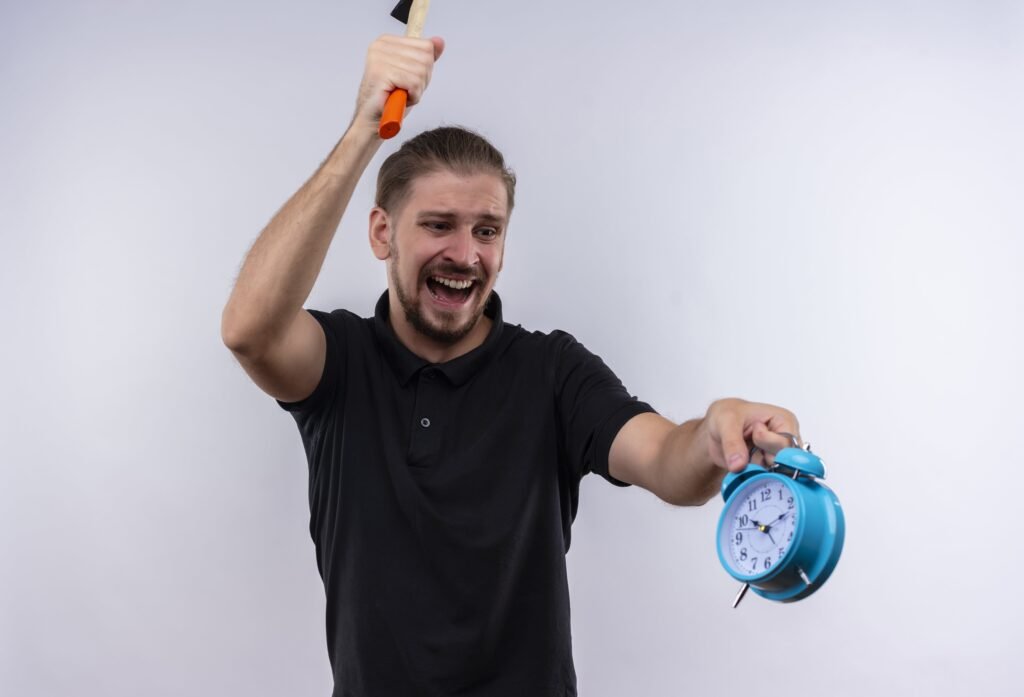
Many people believe motivation is the key to success. They wait to feel excited, inspired, or ready before they start working. But the truth is simple: motivation comes and goes. Discipline stays. If you want real progress, discipline matters more than motivation every time.
What Is Motivation?
Motivation is a feeling. It is the desire to do something. Some days you feel motivated, full of energy, and ready to work. Other days you feel tired, bored, or distracted.
Motivation is powerful, but it is also unstable. It depends on mood, sleep, stress, and emotions. Because of this, motivation cannot be trusted as your main tool for success.
What Is Discipline?
Discipline is the ability to do what needs to be done, even when you do not feel like doing it. It is about commitment, not feelings.
Discipline means showing up on good days and bad days. It means taking action when motivation is low. Discipline is not about being strict or harsh. It is about being consistent.
Motivation Is Unreliable
One major problem with motivation is that it disappears easily. A bad day, a small failure, or tiredness can kill motivation fast.
If you only work when you feel motivated, your progress will be slow and uneven. You may start strong but stop often. This leads to frustration and self-doubt.
Motivation is a nice bonus, but it should not be your foundation.
Discipline Creates Consistency
Success comes from consistent effort. Discipline helps you build that consistency.
When you follow a routine, you remove the need to decide every day. You do not ask, “Do I feel like doing this?” You simply do it.
This steady effort builds skills, confidence, and results over time. Small actions done daily are more powerful than big actions done rarely.
Discipline Builds Habits
Habits are actions you do automatically. Discipline helps create habits, and habits reduce effort.
When something becomes a habit, it no longer depends on motivation. You brush your teeth without motivation. You do it because it is part of your routine.
The same can happen with work, exercise, or learning. Discipline turns effort into habit, and habit turns effort into progress.
Motivation Often Follows Discipline
Many people think motivation must come first. In reality, motivation often comes after action.
When you start working, even without motivation, your brain begins to adjust. Progress creates energy. Small wins create confidence. That feeling is motivation.
Discipline starts the process. Motivation is the result, not the cause.
Discipline Helps You Push Through Fear
Fear is another reason people wait for motivation. Fear of failure or judgment can stop action.
Discipline helps you act despite fear. You do not wait to feel brave. You move forward anyway.
Each time you act through fear, fear becomes weaker. Discipline trains your mind to keep going, even when things feel uncomfortable.
Discipline Is Stronger During Hard Times
Life is not always easy. Stress, problems, and setbacks happen.
During these times, motivation is usually low. This is when discipline matters most.
Discipline keeps you moving when motivation disappears. It helps you stay on track when life feels heavy. This is why disciplined people often succeed, even without feeling inspired.
Discipline Is a Skill You Can Learn
Some people think discipline is something you are born with. This is not true.
Discipline is a skill. It grows with practice. Start small. Keep promises to yourself. Do what you say you will do, even in simple ways.
Each small act of discipline strengthens your ability to stay consistent.
How to Build Discipline
You do not need to change everything at once. Start with one small habit.
Set clear rules for yourself. For example, work for ten minutes every day. Remove distractions. Create routines that support your goals.
Most importantly, forgive yourself when you fail. Discipline is built through repetition, not perfection.
Motivation Is Emotional, Discipline Is Reliable
Motivation depends on how you feel. Discipline depends on who you decide to be.
Feelings change. Decisions last longer.
When you rely on discipline, progress becomes steady. You stop waiting for the “right mood” and start building real results.
Conclusion
Motivation feels good, but it is unreliable. Discipline feels harder, but it works.
Discipline beats motivation every time because it does not depend on feelings. It depends on commitment, habits, and consistency.
If you want long-term success, stop chasing motivation. Build discipline instead. Motivation will follow—but even if it doesn’t, discipline will carry you forward.